Immersion in a rural village
After a short but typical trip in a Nepali bus, enjoy a short hike in the forrest to reach Saping, a traditional rural village. Watching, tasting, learning or acting, enjoy this immersion as you like. You can volunteer in the local school, try yourself at traditional farming or cooking techniques or just enjoy the sight.
Why Saping ?
Saping is the village where I grew up and my family still lives there, I have a strong natural attachement, but also an historical commitment. I created a school there in 2000 that welcomed up to 60 kids before the public school was actually set up in 2019. And even if the mission isn’t the same, we still welcome volunteers to support the local public school. (Read the full story)


More about Saping
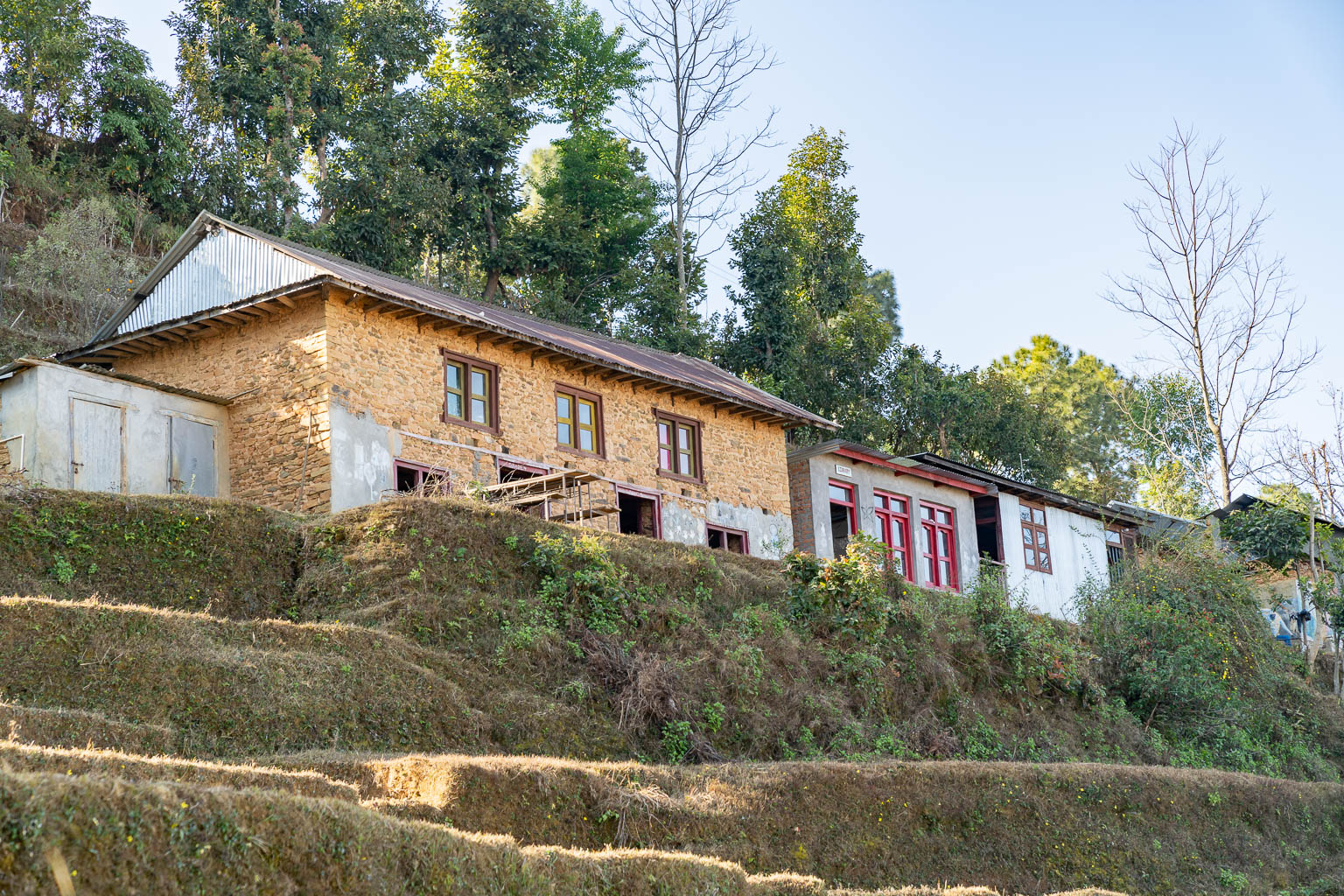
Saping is a semi-remote farming village with limited road access which is located in the district of Kavre, approximately 60 km east of Kathmandu. The village is composed of 9 different clusters of farmhouses spread over the hills at an altitude of 1,600 metres. Although there is a bus to Saping during dry season, most of the population access the area on foot through a 2 hour walk from the small river town of Dolalghat.
Saping has a population of approximately 5000 people, and the economy of the village is based on subsistance agriculture. Beans, maize, rice and millet are some of the common crops grown in the area.
There is limited piped water supply in Saping, and many people have to walk to wells up to an hour away from their homes to collect water. Cooking is done using firewood, which is collected from the surrounding forests. The village got electricity in 2005, and its first toilet was built in 2007. Saping was badly affected by the 2015 earthquake and around 70% of the population had their homes partially or completely destroyed.
There are seven government schools in the region, but their facilities are poor and the quality of education is low due to a lack or constant absence of teachers. Many families aren’t able to pay for government school fees. Some children, especially girls, are undereducated because of conservative beliefs under which the educations of girls is given a low priority. These beliefs result in children often being kept home from school to help with chores or farmwork.
There is one health post in Saping village, which provides basic medications (such as parecetemol) but doesn’t have any qualified nurses or doctors. For more severe illnesses, villagers have to walk two hours down to Dolalghat and then take a two hour bus to Dhulikhel hospital.
Construction of a new road road from Dolaghat began in 2005 with the help of donations and community support, but the road is still not operational due to the difficulty of building on the hilly terrain.
We welcome visitors and volunteers to our village. Please just contact us if you’d be intested in coming to experience life in rural Nepal.
Volunteering
The Saping public school is always happy to welcome volunteers to bring children a different perspective and contribute to english classes. A cheerful experience with adorable and lively children.

Farming experience
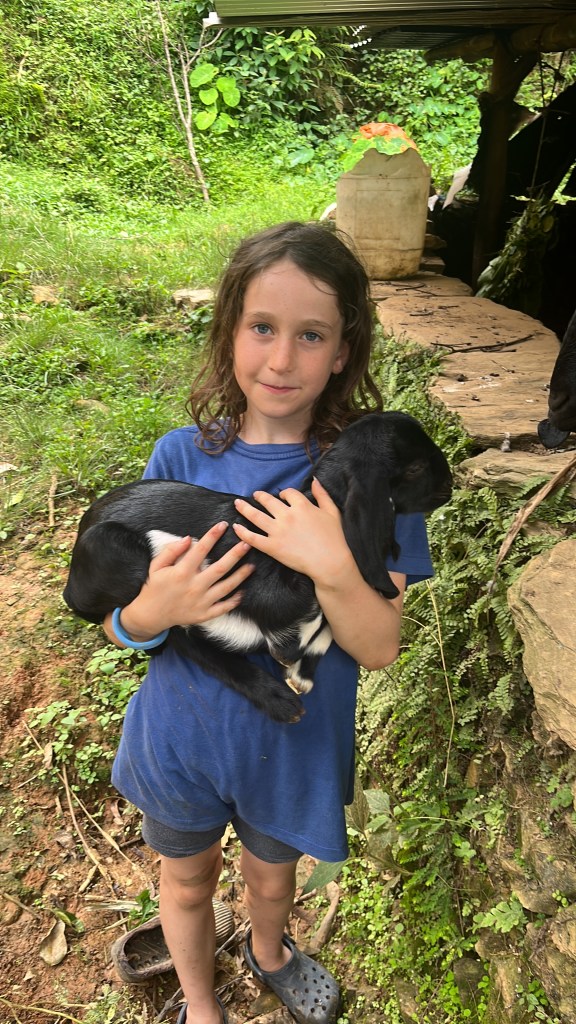
In Nepal, every piece of land is cultivated, they know how to grow vegetables, breed animals and produce most of their daily food preserving their autonomy. Enjoy re-learning these fundamentals.
Sharing a meal
From land to the plate, you’ll be surprised to enjoy such tasty meals that nepalis can elaborate with what nature offers. Experience the true Dal Bhat cooked on a traditional fire stove in Saping.

 Innate Pension